hat Happens Before the Cameras Roll? The Brutal Preparation That Makes Deadliest Catch Possible
hat Happens Before the Cameras Roll? The Brutal Preparation That Makes Deadliest Catch Possible
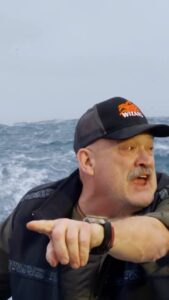
When millions of viewers tune in to Deadliest Catch, they see towering waves crashing over the bow, exhausted deckhands hauling steel crab pots, and captains making split-second decisions in the middle of violent Bering Sea storms. Every episode feels like the action begins the moment the boats leave Dutch Harbor.
But that couldn’t be further from the truth.
Long before Discovery’s cameras capture the first dramatic wave, an extraordinary amount of work has already taken place. In fact, many veteran captains argue that the success—or failure—of an entire crab season is decided weeks before the first crab pot ever touches the water.
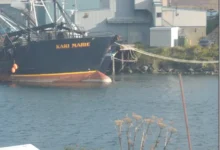
Preparing a commercial crab boat for Alaska’s dangerous fishing season is a race against time, mechanical failure, and Mother Nature itself. Every bolt tightened, every hydraulic hose replaced, and every emergency drill practiced could mean the difference between a successful voyage and disaster.
For the crews featured on Deadliest Catch, the season doesn’t begin with fishing.
It begins with preparation.
A Floating Factory Must Be Rebuilt Every Year
Unlike recreational fishing boats, Bering Sea crab vessels function as floating industrial work sites.
Every system aboard the vessel operates under extreme pressure for weeks at a time.
Engines run almost continuously.
Hydraulic cranes lift thousands of pounds every hour.
Generators power navigation equipment, refrigeration systems, lights, communications, and dozens of electrical components.
Saltwater attacks metal surfaces every day.
Freezing temperatures create additional stress on machinery.
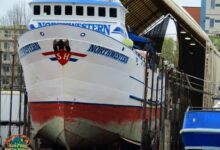
Months before opening day, captains begin inspecting nearly every major component aboard their boats.
Marine engineers crawl into engine rooms checking diesel engines that have accumulated thousands of operating hours.
Hydraulic pumps are dismantled.
Fuel systems are cleaned.
Cooling systems are pressure-tested.
Electrical wiring is inspected for corrosion caused by years of exposure to saltwater.
Even a small leak discovered during these inspections could become catastrophic hundreds of miles offshore.
Repairing problems in port is expensive.
Ignoring them can cost an entire season.
Every Crab Pot Must Be Ready
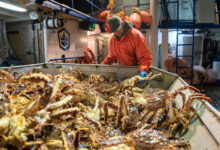
One of the most recognizable symbols of Deadliest Catch is the massive steel crab pot.
Each one weighs several hundred pounds before any crab enters it.
A single vessel may carry hundreds of these pots.
Before every season, crews inspect every pot individually.
Broken welds must be repaired.
Steel frames straightened.
Escape rings checked.
Mesh replaced where damaged.
Ropes examined for wear.
Buoys repainted and clearly marked.
Even bait jars receive inspection.
Every pot represents an investment.
A damaged pot lost during rough weather can cost thousands of dollars to replace.
More importantly, poorly maintained equipment creates unnecessary risks for deck crews already working in dangerous conditions.
Safety Comes Before Profit
Commercial fishing consistently ranks among the world’s most hazardous occupations.
Captains understand that no amount of crab is worth risking lives.
Before every departure, crews conduct detailed safety drills.
New deckhands learn how to put on survival suits within minutes.
Life rafts are inspected.
Emergency Position-Indicating Radio Beacons (EPIRBs) are tested.
Fire extinguishers are checked.
Medical supplies are restocked.
Man-overboard procedures are reviewed repeatedly.
Crew members also familiarize themselves with escape routes, emergency shut-off systems, and communication equipment.
Veteran fishermen know emergencies rarely announce themselves.
Preparation must happen before danger arrives.
The Engine Room Never Sleeps
While viewers often focus on activity above deck, some of the most important work happens below.
The engine room serves as the heart of every crab boat.
Engineers inspect massive diesel engines capable of producing thousands of horsepower.
Oil samples are analyzed.
Filters replaced.
Belts tightened.
Cooling pumps serviced.
Hydraulic reservoirs cleaned.
Any unusual vibration or temperature reading receives immediate attention.
An engine failure during fishing season can force a vessel back to port, costing valuable fishing time and tens of thousands of dollars.
Many captains consider preventative maintenance their best investment.
Technology Has Changed the Fleet
Today’s crab boats look very different from those seen during the early years of Deadliest Catch.
Modern navigation systems integrate GPS, radar, sonar, electronic charts, satellite communications, and real-time weather forecasting.
Captains spend hours updating navigation software before leaving port.
Fishing grounds are reviewed.
Hazards marked.
Backup navigation systems tested.
Communication equipment is synchronized with emergency services.
Even with sophisticated technology, experienced captains continue relying on instinct developed through decades at sea.
Electronics provide information.
Experience provides judgment.
Fuel Is One of the Season’s Biggest Expenses
Long before catching a single crab, vessel owners commit enormous financial resources.
Thousands of gallons of diesel fuel must be loaded.
Food supplies are purchased for weeks at sea.
Replacement parts fill storage compartments.
Lubricants, hydraulic fluid, spare cables, welding supplies, and emergency repair materials are carefully organized.
Every additional pound loaded onto the vessel must be balanced carefully.
Proper weight distribution affects stability in rough seas.
Loading becomes an engineering exercise as much as a logistical one.
Building a Crew Is Just as Important as Preparing the Boat
Finding experienced fishermen has become increasingly difficult.
Commercial crab fishing demands physical strength, mental toughness, discipline, and teamwork.
Captains carefully evaluate returning crew members while occasionally hiring newcomers eager to prove themselves.
Before departure, responsibilities are assigned.
Watch schedules established.
Emergency duties reviewed.
Deck procedures practiced.
Every crew member must understand their role before reaching open water.
Once storms begin, there is little opportunity for lengthy instruction.
The Camera Crews Prepare Too
Discovery’s production teams undergo their own extensive preparation before filming begins.
Camera operators receive safety briefings, survival equipment, communication training, and emergency procedures similar to those followed by fishing crews.
Dozens of remotely mounted cameras are installed throughout each vessel.
Special waterproof housings protect expensive equipment from freezing spray and constant saltwater exposure.
Filming Deadliest Catch requires almost as much preparation as commercial fishing itself.
Without these behind-the-scenes efforts, audiences would never witness the remarkable events unfolding aboard the fleet.
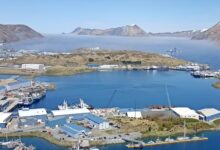
Dutch Harbor Becomes a Giant Workshop
During preparation season, Dutch Harbor transforms into a hive of nonstop activity.
Marine supply companies receive constant deliveries.
Shipyards operate around the clock.
Mechanics move from boat to boat completing last-minute repairs.
Cranes load stacks of crab pots.
Fuel docks remain busy throughout the day.
Every captain hopes to finish preparations before weather delays departure.
The atmosphere combines excitement, pressure, and anticipation.
Everyone understands that once the fleet sails into the Bering Sea, there are very few second chances.
Weather Is Already Part of the Plan
Ironically, weather begins influencing decisions long before fishing starts.
Captains carefully monitor long-range forecasts while planning departure dates.
Leaving too early may expose crews to severe storms before fishing even begins.
Leaving too late may sacrifice valuable fishing opportunities.
Preparation schedules constantly adjust according to changing forecasts.
The sea influences every decision—even from the dock.
Success Is Built Long Before Opening Day
Viewers often remember the dramatic moments shown on television.
Towering waves.
Massive catches.
Mechanical breakdowns.
Close calls.
But experienced fishermen know those moments represent only a fraction of the season.
The true foundation of success is built quietly during the weeks before departure.
Every repaired engine.
Every inspected crab pot.
Every completed safety drill.
Every carefully packed supply.
These unseen efforts rarely make headlines, yet they determine whether a vessel is ready to face one of the most dangerous workplaces on Earth.
That is the hidden story behind Deadliest Catch.
Long before the cameras capture the first crashing wave, hundreds of skilled professionals have already invested countless hours preparing for a season where preparation can mean survival.
For the captains and crews of the Bering Sea fleet, the greatest battle often begins before the first episode ever airs.
And that may be the most astonishing truth of all.