🚨 What Rick Harrison Couldn’t Say on Pawn Stars—His New Podcast Is Finally Telling the Stories Fans Never Got to Hear
🚨 What Rick Harrison Couldn't Say on Pawn Stars—His New Podcast Is Finally Telling the Stories Fans Never Got to Hear
LAS VEGAS, Nev. — For more than 15 years, millions of viewers have watched Rick Harrison negotiate over priceless collectibles, historical artifacts, and unusual heirlooms on Pawn Stars. Every episode follows a familiar formula: a customer walks into the Gold & Silver Pawn Shop, an item is examined, an expert is called in if necessary, and a deal is made—or rejected.
But according to Harrison, what viewers see on television is only a fraction of what actually happens behind the scenes.
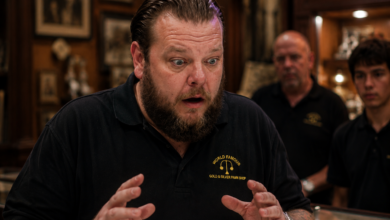
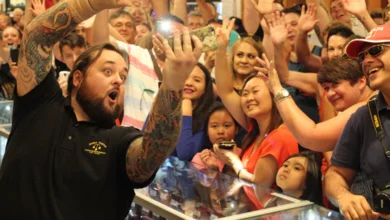
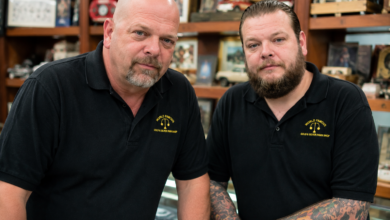
That is one of the reasons Rick Harrison and longtime cast member Austin “Chumlee” Russell launched “Pawn Stars After Dark,” a podcast designed to pull back the curtain on one of television’s most recognizable reality shows. Instead of focusing solely on the deals that make it to air, the podcast gives fans an opportunity to hear the conversations, stories, and experiences that never fit into a 40-minute television episode.
For longtime viewers, it offers a rare look at the people behind the program rather than just the personalities seen on screen.




A Different Kind of Conversation
Unlike Pawn Stars, which revolves around collectibles and negotiations, Pawn Stars After Dark is far more relaxed.
Rick Harrison and Chumlee discuss their personal experiences, life in Las Vegas, memorable encounters with customers, business lessons, and the unexpected moments that have shaped the show’s success over the years.
The conversational format allows both hosts to speak more freely than traditional television, where episodes are carefully edited to fit broadcast schedules.
Fans have responded positively because the podcast feels less like a television production and more like sitting in the room with two longtime friends sharing stories.
The Stories Television Couldn’t Tell
Every season of Pawn Stars produces far more material than viewers ever see.
Each day at the Gold & Silver Pawn Shop brings dozens of customers through the doors, many carrying unusual family heirlooms or fascinating pieces of history. Only a small percentage of those visits eventually become television segments.
On the podcast, Harrison explains that countless interesting moments simply never make the final broadcast—not because they are unimportant, but because television has limited time.
Some stories take unexpected turns.
Others are funny but unrelated to the main negotiation.
Many involve customers whose personalities leave lasting impressions even if their collectibles do not.
The podcast gives those moments a second life.
Looking Beyond the Famous Deals
For years, fans have remembered spectacular negotiations involving rare coins, vintage automobiles, signed sports memorabilia, and historical documents.
The podcast shifts attention away from headline-making transactions and focuses instead on the experiences surrounding them.
Rick Harrison frequently reflects on how much research goes into evaluating important artifacts.
Chumlee often recalls humorous incidents involving customers, filming schedules, and everyday life inside the shop.
Together, they provide context that television viewers rarely have the opportunity to hear.
More Personal Than Television
Reality television naturally emphasizes business.
Podcasts allow personalities to emerge in different ways.
Listeners hear Rick Harrison discuss entrepreneurship, collecting, family experiences, and lessons learned throughout decades in business.
Chumlee contributes his own perspective, balancing Harrison’s practical business mindset with humor and personal stories that longtime fans have come to appreciate.
Without the structure of a television episode, conversations often move naturally between history, entertainment, business, and everyday life.
That spontaneity has become one of the podcast’s biggest strengths.
Giving Fans a Behind-the-Scenes Perspective
One topic listeners consistently enjoy involves the production process behind Pawn Stars.
Although the television series appears straightforward, creating each episode requires extensive planning.
Items must be researched.
Experts must be scheduled.
Historical claims require verification.
Production teams decide which stories best fit each episode.
The podcast provides insight into these processes while helping audiences understand the work required before an item ever appears on screen.
It reminds fans that successful reality television depends not only on interesting collectibles but also on careful storytelling.
Why Podcasts Fit the Pawn Stars Brand
The growing popularity of podcasts has encouraged many television personalities to explore longer-form conversations.
For Rick Harrison, the format complements Pawn Stars rather than replacing it.
Television remains the place where viewers watch negotiations unfold.
The podcast becomes the place where those negotiations are explained, remembered, and expanded upon.
It also allows Harrison to discuss topics that would otherwise receive little attention during a typical television episode, including collecting advice, entrepreneurship, market trends, and personal reflections.
For dedicated fans, the two formats work together rather than competing with each other.
Strengthening the Connection With Fans
One reason Pawn Stars has remained successful for so many years is the relationship built between its cast and audience.
Viewers have watched Rick Harrison, Chumlee, Corey Harrison, and the late Richard “The Old Man” Harrison become familiar faces over more than a decade.
The podcast deepens that connection.
Listeners hear unscripted conversations, jokes, and memories that reveal more of the personalities behind the television series.
Rather than simply watching negotiations, fans become part of broader discussions about history, business, collecting, and life.
More Than Collectibles
Although rare artifacts remain central to the Pawn Stars brand, Harrison has long argued that every collectible carries a story.
The podcast reinforces that philosophy.
Sometimes the most memorable part of a transaction is not the object’s value but the person who brought it into the shop.
A family heirloom may preserve generations of memories.
An old military medal may represent extraordinary service.
A vintage toy may remind someone of childhood.
These human stories often stay with Harrison long after the negotiations end.
The podcast gives him the opportunity to share many of those experiences in greater detail.
Looking Ahead
As Pawn Stars continues to evolve, Pawn Stars After Dark represents another way for the franchise to engage with audiences.
It expands beyond traditional television while remaining true to the show’s core themes of history, collecting, and business.
For longtime fans, the podcast offers fresh insight into familiar faces.
For newer audiences, it provides an easy entry point into the world of Pawn Stars without requiring knowledge of every episode.
Most importantly, it demonstrates that the stories surrounding the collectibles can be just as compelling as the collectibles themselves.
A New Chapter for a Familiar Franchise
For years, viewers have wondered what happens after the cameras stop rolling.
Now, Rick Harrison is answering many of those questions—not through another television episode, but through honest conversations that reveal the people, memories, and experiences behind one of the world’s most successful reality series.
The treasures featured on Pawn Stars have always captured attention.
But thanks to “Pawn Stars After Dark,” fans are discovering that some of the most fascinating stories were never locked inside a display case.
They were waiting to be told long after the cameras stopped recording.