How Pawn Stars Changed the Collectibles Industry
How Pawn Stars Changed the Collectibles Industry
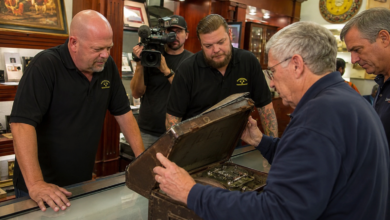
When Pawn Stars premiered on the History Channel in July 2009, few expected a reality television series set inside a Las Vegas pawn shop to become one of the most influential programs in the collectibles world. What began as a family-run business showcasing unusual items and lively negotiations soon evolved into a global phenomenon that transformed how millions of people viewed antiques, memorabilia, and historical artifacts.
More than a television success, Pawn Stars helped reshape the collectibles industry by making collecting more accessible, increasing public awareness of historical artifacts, encouraging authentication, and creating new opportunities for collectors, dealers, and auction houses alike.
Bringing Collecting Into the Mainstream
Before Pawn Stars, collecting antiques was often seen as a niche hobby enjoyed primarily by historians, museums, and serious collectors. While shows like Antiques Roadshow had introduced audiences to valuable heirlooms, Pawn Stars presented collecting in a more entertaining and relatable way.
Each episode featured ordinary people bringing unique objects into the Gold & Silver Pawn Shop, hoping to sell them or secure a loan. The variety of items—from vintage guitars and rare coins to military artifacts and sports memorabilia—demonstrated that valuable collectibles could be found almost anywhere.
This format inspired viewers to take a closer look at family heirlooms stored in attics, garages, and storage units. Suddenly, everyday objects became potential pieces of history.



Changing Public Perception of Pawn Shops
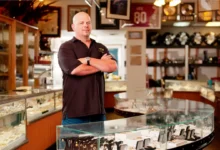
Historically, pawn shops carried a negative reputation, often associated with financial hardship or low-value merchandise. Pawn Stars helped change that image.
Instead of portraying pawn shops as places filled with ordinary used goods, the series highlighted them as destinations where rare historical artifacts and unique collectibles frequently appeared. Rick Harrison’s emphasis on researching every item’s background, verifying authenticity, and negotiating fair prices gave viewers a new appreciation for the expertise involved in the business.
Industry observers have noted that the show’s popularity helped reduce the stigma surrounding pawn shops while attracting customers who had never considered visiting one before.
Educating Millions About History
One of the defining features of Pawn Stars is its educational component.
Whenever an unusual item enters the shop, Rick Harrison often calls in a specialist to evaluate its authenticity and historical significance. These experts explain where the item originated, why it matters, and how rarity influences value.
As a result, viewers have learned about:
- Civil War weapons and military memorabilia
- Presidential documents
- Rare books
- Vintage automobiles
- Early American currency
- Historical firearms and armor
- Hollywood props
- Sports collectibles
- Music memorabilia
Although the program is designed primarily as entertainment, many viewers have credited it with sparking an interest in history through real artifacts and expert commentary.
Encouraging Authentication
Perhaps the show’s greatest impact on the collectibles market has been its emphasis on authentication.
Almost every high-value item undergoes careful examination before any deal is completed. Experts inspect signatures, manufacturing techniques, provenance, and condition before estimating value.
This process has encouraged collectors everywhere to seek professional authentication rather than relying on assumptions.
As awareness grew, third-party grading companies, authentication services, and professional appraisers received greater attention from collectors who wanted to verify their own items before buying or selling.
Today, authentication has become one of the most important aspects of the collectibles industry, helping reduce fraud while increasing buyer confidence.
Increasing Demand for Memorabilia
Many categories featured regularly on Pawn Stars experienced increased public interest.
Collectors became more interested in:
- Vintage coins
- Comic books
- Sports cards
- Signed guitars
- Military artifacts
- Historical documents
- Movie props
- Advertising signs
- Classic toys
Auction houses, antique dealers, and collectible conventions all benefited from renewed enthusiasm as new collectors entered the market.
While the show was not solely responsible for rising prices, it undeniably introduced countless newcomers to collecting.
A Tourism Boom in Las Vegas
The success of Pawn Stars extended far beyond television.
The Gold & Silver Pawn Shop quickly became one of Las Vegas’ most recognizable tourist attractions. Fans from around the world began visiting simply to see the famous store featured on television.
According to reports from the Las Vegas Review-Journal, the show’s popularity generated significant tourism, leading to long lines outside the shop and contributing to a broader business ecosystem that included souvenir stores, themed attractions, and guided tours.
Influencing Television
The show’s popularity inspired an entire wave of television programs centered around buying, selling, and restoring collectibles.
Programs focusing on auctions, restoration, storage discoveries, classic cars, and collectible investments became increasingly common after Pawn Stars demonstrated there was a large audience interested in hidden treasures and historical objects.
Its blend of education, negotiation, and entertainment became a successful formula that many later series adopted.
Promoting Smart Negotiation
Another reason for the show’s success is its realistic approach to business negotiations.
Viewers quickly learned that an item’s appraised value is not necessarily its selling price.
Rick Harrison frequently explains that buyers must consider restoration costs, resale risks, and profit margins before making an offer. These discussions introduced audiences to basic business concepts including market demand, supply, risk management, and investment returns.
For many young viewers, Pawn Stars became an entertaining introduction to entrepreneurship and valuation.
The Lasting Legacy
More than fifteen years after its debut, Pawn Stars remains one of television’s most recognizable reality series. The program has been broadcast in dozens of languages and countries, bringing the world of collectibles to a global audience. Its popularity also transformed the Gold & Silver Pawn Shop from a local business into an internationally recognized destination.
Perhaps its greatest achievement is changing how people think about ordinary objects. A dusty coin collection, an old military medal, or a forgotten baseball card may no longer seem like clutter but instead a piece of history waiting to be discovered.
Conclusion
Pawn Stars did far more than entertain television audiences. It modernized the public image of pawn shops, encouraged historical curiosity, promoted professional authentication, and inspired a new generation of collectors.
By combining history, storytelling, and business into a single format, the series transformed collecting from a niche pastime into a mainstream interest. Whether viewers tuned in for the negotiations, the historical lessons, or the thrill of discovering hidden treasures, Pawn Stars has left a lasting mark on the collectibles industry—one that continues to influence collectors and enthusiasts around the world today.