How Pawn Stars Changed the World of Collecting and Made History More Accessible
How Pawn Stars Changed the World of Collecting and Made History More Accessible

When Pawn Stars premiered on the History Channel in 2009, few people expected a television series set inside a family-owned pawn shop in Las Vegas to become one of the most successful reality shows in cable television history. More than fifteen years later, the program has become a global phenomenon, introducing millions of viewers to the fascinating world of antiques, historical artifacts, collectibles, and negotiations.
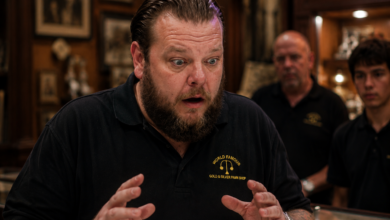
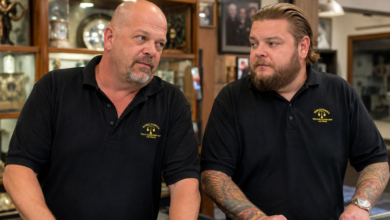
At the center of the show’s success is the Gold & Silver Pawn Shop, owned by Rick Harrison and his family. While many reality television programs rely on scripted drama or elaborate competitions, Pawn Stars found success through something much simpler: authentic stories behind remarkable objects.
Each episode follows a familiar pattern. Customers walk into the shop carrying items they hope might be valuable. Some bring family heirlooms passed down through generations. Others arrive with military memorabilia, rare coins, vintage watches, comic books, sports collectibles, guitars, books, jewelry, or historical documents. Every object carries its own story, and every negotiation begins with a simple question: “What’s it worth?”
From Local Pawn Shop to International Recognition
Long before television cameras arrived, the Gold & Silver Pawn Shop had already established itself as one of Las Vegas’ best-known pawn businesses. Rick Harrison and his father, Richard “Old Man” Harrison, spent years building a reputation for honest evaluations and extensive knowledge of collectibles.




When the History Channel introduced Pawn Stars in July 2009, the concept immediately stood out from traditional reality programming. Instead of focusing on interpersonal conflict, the show emphasized education, history, and negotiation.
Viewers quickly became interested not only in the value of the objects but also in the fascinating stories behind them.
As ratings continued to grow, the Gold & Silver Pawn Shop transformed into a major tourist attraction, welcoming visitors from around the world who wanted to see the famous store featured on television.
Rick Harrison’s Passion for History
Rick Harrison has often explained in interviews that he has been interested in history since childhood.
That lifelong curiosity became one of the defining characteristics of Pawn Stars. Rather than simply asking whether an item was expensive, Rick frequently wanted to know where it came from, who owned it, and why it mattered historically.
Whether evaluating a Revolutionary War document, a World War II artifact, or a rare piece of sports memorabilia, Rick consistently reminds viewers that historical significance can be just as important as monetary value.
This educational approach has helped distinguish Pawn Stars from many other reality television programs.
The Importance of Expert Authentication
One of the most recognizable features of Pawn Stars is Rick Harrison’s willingness to consult outside experts.
Whenever particularly valuable or unusual items arrive, specialists are invited to inspect signatures, artwork, jewelry, coins, watches, musical instruments, and historical artifacts.
These experts examine authenticity, condition, rarity, and market demand before Rick decides whether to make an offer.
This process has taught viewers an important lesson.
Even experienced buyers recognize that no one can know everything.
Professional authentication remains one of the most valuable tools in the collectibles industry.
Why Every Old Item Isn’t Valuable
One misconception the show has helped correct is the belief that anything old must automatically be worth a fortune.
Throughout the series, customers often arrive convinced that a family heirloom is extremely valuable.
Sometimes they are correct.
Other times, Rick explains that rarity alone does not determine price.
An object’s condition, authenticity, historical importance, and collector demand all influence its market value.
This practical approach has helped audiences better understand how professional appraisals work.
Negotiation Is Part of the Business
Another reason viewers continue enjoying Pawn Stars is the negotiation process.
Rick Harrison rarely accepts the first asking price.
Instead, he carefully considers restoration costs, resale potential, current market demand, and business risk before making an offer.
Customers frequently negotiate in return, creating conversations that are both entertaining and informative.
The negotiations demonstrate an important principle of business.
Value is not determined solely by emotion.
It is determined by what knowledgeable buyers and sellers ultimately agree upon.
Collecting in a Changing Market
During recent public interviews, Rick Harrison has discussed how the collectibles market continues evolving.
The internet has made price research much easier than it was when the shop first opened.
Collectors now have access to auction results, online marketplaces, and historical pricing information within seconds.
While that has helped many sellers become better informed, Rick has also noted that online information can sometimes create unrealistic expectations.
A listing price does not necessarily represent an item’s actual selling price.
Professional evaluation remains essential.
Gold, Silver, and Precious Metals
Rick has also spoken publicly about continued interest in gold and silver.
Economic uncertainty often increases demand for precious metals as investors seek tangible assets.
The Gold & Silver Pawn Shop regularly buys and sells bullion, coins, and precious-metal collectibles, making market trends an important part of daily business.
Although prices fluctuate, Rick has explained that understanding supply and demand remains critical for both collectors and investors.
A Global Audience
Today, Pawn Stars is broadcast in numerous countries and has introduced millions of people to American history through everyday objects.
Many viewers have developed an interest in collecting after watching the series.
Others have begun researching family heirlooms that had been sitting unnoticed in attics, garages, or storage boxes for years.
While most discoveries do not turn out to be priceless treasures, the show has encouraged people to appreciate the stories connected to ordinary possessions.
More Than Entertainment
Perhaps the greatest achievement of Pawn Stars is its ability to combine education with entertainment.
Instead of simply showing expensive objects, the program explains why they matter.
Viewers learn about military history, famous inventors, sports legends, political figures, scientific discoveries, and cultural milestones through the items brought into the shop.
That educational value has remained one of the show’s defining characteristics throughout its long run.
Looking Ahead
More than fifteen years after its debut, Pawn Stars continues to attract loyal audiences.
The collectibles market may continue changing, and new generations of buyers may develop different interests, but curiosity about history remains constant.
Rick Harrison has often said that every object tells a story.
Whether it is an antique pocket watch, a handwritten letter, a vintage guitar, or a rare coin, each item offers a connection to the past.
That philosophy has helped make Pawn Stars far more than a television program about buying and selling.
It has become a celebration of history, craftsmanship, and the enduring appeal of discovering something extraordinary in an ordinary place.
As long as people continue searching for forgotten treasures and preserving pieces of history, the Gold & Silver Pawn Shop is likely to remain one of the world’s most recognizable destinations for collectors—and Pawn Stars will continue inspiring viewers to look at everyday objects with a little more curiosity.